The Summer Blockbuster Was Born the Day Jaws Opened
On June 20, 1975, Steven Spielberg's Jaws opened in U.S. theaters, inventing the summer blockbuster and becoming the highest-grossing film ever made.
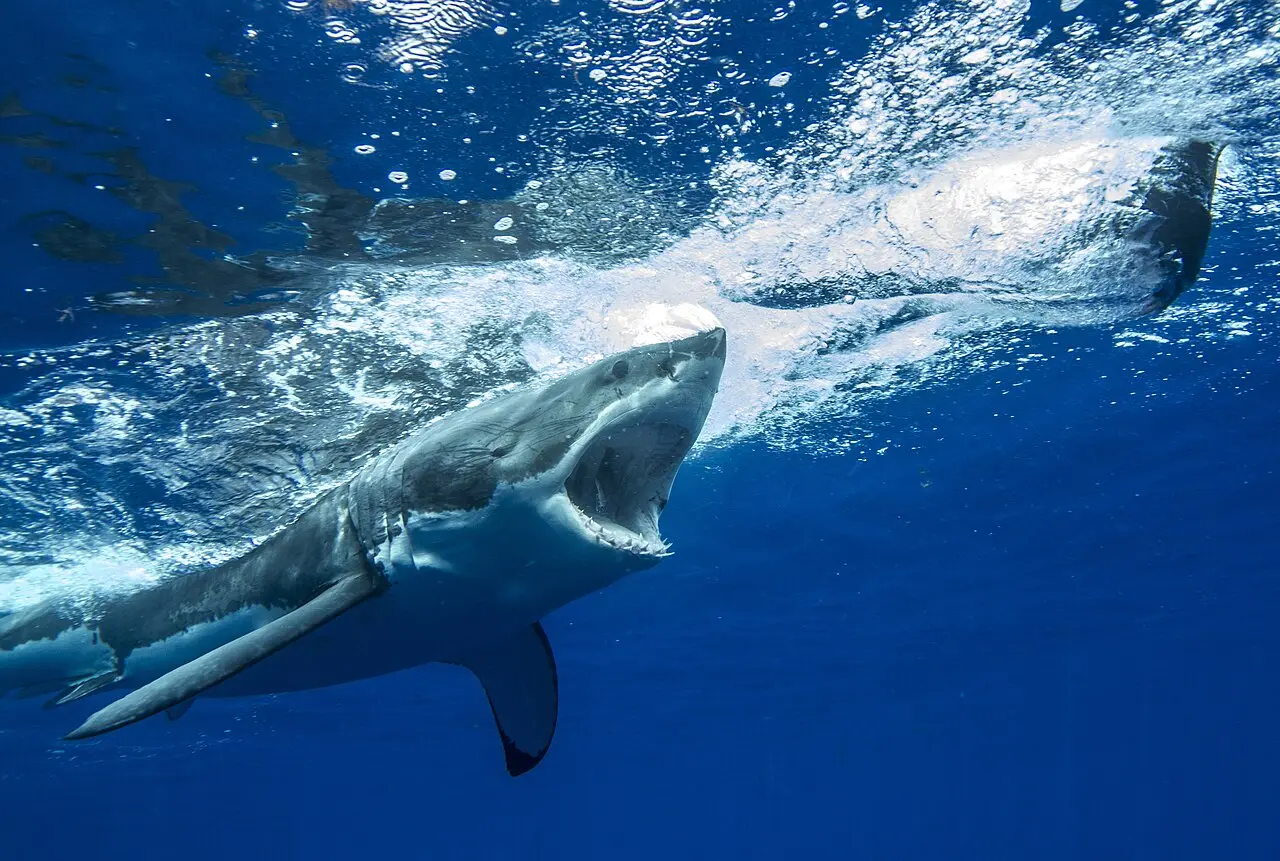
On June 20, 1975, more than 400 movie screens across America filled with the sound of a two-note musical warning — and audiences learned to be afraid of the water.
Jaws, directed by a 27-year-old Steven Spielberg, told the story of a great white shark terrorizing the fictional New England resort town of Amity Island, and the police chief, marine biologist, and grizzled shark hunter who set out to stop it. It was based on Peter Benchley's bestselling 1973 novel and starred Roy Scheider, Richard Dreyfuss, and Robert Shaw, with a now-legendary score by John Williams.
The production was famously troubled. Filming on Martha's Vineyard, Massachusetts, ran over schedule and over budget as the three mechanical sharks — nicknamed Bruce by the crew — kept malfunctioning in the salt water. Spielberg compensated by showing the shark as little as possible, a limitation that made the film far scarier than any rubber monster could have been.
At 27, Spielberg was still proving himself — Jaws was only his second theatrical feature — and Universal's gamble cost about $12 million, roughly three times the original budget and four times what an average film cost at the time. Much of the money went into building three full-size mechanical sharks. The troubled shoot stretched for months, and for a while the studio feared it had a very expensive flop on its hands.
Universal Pictures bet big on the release, opening the film on more than 400 screens at once — a wide release strategy that was unusual at the time — backed by a $700,000 television advertising campaign. The gamble paid off beyond anyone's imagination. Jaws became the first film ever to gross $100 million at the box office, doing it in just 59 days, and went on to earn more than $470 million worldwide, making it the highest-grossing film in history until Star Wars arrived in 1977.
The film won three Academy Awards — for film editing, John Williams's score, and sound — and was nominated for Best Picture. In 2001, the Library of Congress selected it for the National Film Registry as a work of cultural, historical, and aesthetic significance.
Jaws invented the modern summer blockbuster and the wide-release playbook every studio still follows. It also left a complicated legacy: the film demonized sharks so effectively that scientists speak of the "Jaws effect" on public attitudes toward them — and Benchley himself spent his later years advocating for shark conservation.
Half a century later, those two notes still empty swimming pools. Few films have ever changed an industry and a summer ritual so completely, all starting on one Friday in June.
Photo: Sharkcrew, CC BY-SA 4.0 (via Wikimedia Commons).