The 88–2 Vote That Bought a War
On August 7, 1964, Congress passed the Gulf of Tonkin Resolution nearly unanimously, handing President Johnson sweeping war powers on the basis of a disputed attack.
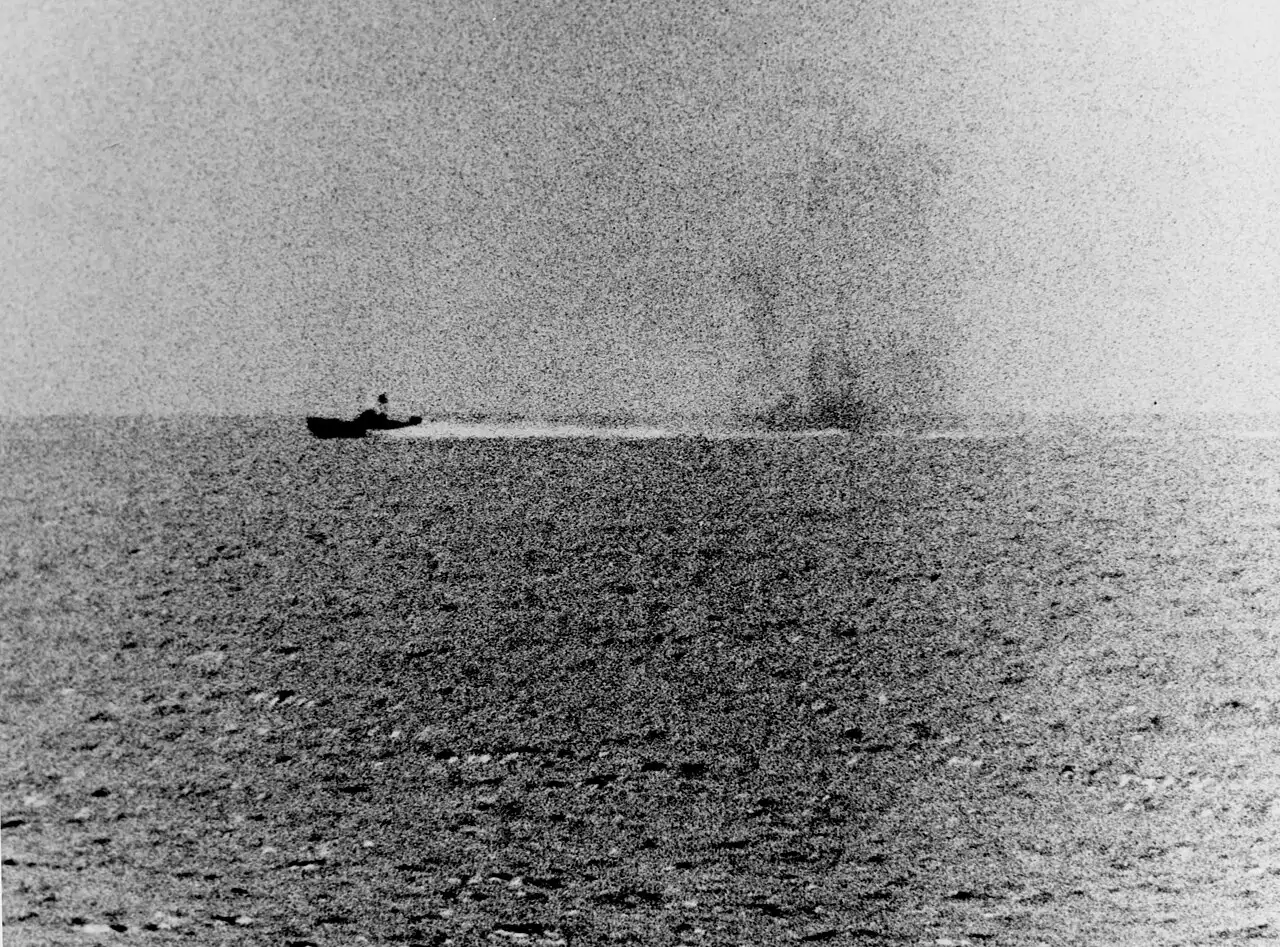
On the night of August 4, 1964, President Lyndon Johnson went on national television with grave news: North Vietnamese torpedo boats had attacked American destroyers in the Gulf of Tonkin — twice in two days. "Repeated acts of violence against the armed forces of the United States must be met," he said. "We seek no wider war."
The first attack, on August 2, was real — North Vietnamese boats had engaged the destroyer USS Maddox on patrol. But the second, on the night of August 4, unfolded in darkness, bad weather, and jumpy radar. Later intelligence reviews would conclude that no attack occurred that night at all — the "contacts" were misread signals, perhaps waves. Johnson and Defense Secretary Robert McNamara presented both incidents to Congress as certain and unprovoked.
Congress barely hesitated. On August 7, 1964, the Gulf of Tonkin Resolution passed the House 416–0 and the Senate 88–2. Only Senators Wayne Morse of Oregon and Ernest Gruening of Alaska voted no — Gruening warning against sending American boys "into combat in a war in which we have no business."
The resolution authorized the president to "take all necessary measures" to defend American forces and prevent further aggression in Southeast Asia. It was not a formal declaration of war — the last of those had been World War II — but it functioned as one. Johnson signed it into law on August 10. Within months, American ground troops were landing at Da Nang, the sustained bombing campaign called Rolling Thunder had begun, and the American commitment swelled from about 23,000 advisors to more than 500,000 troops by 1968.
The cost of that near-unanimous vote is now measured in millions of lives — Vietnamese and American — and in a long American reckoning with how easily Congress can hand away its war powers. The resolution was finally repealed in 1971.
August 7, 1964, is a cautionary tale about speed and certainty in Washington. Two senators asked for proof; 504 voted yes anyway. The Vietnam War that followed was built, legally, on a single August day — and a radar blip that probably never existed.
Johnson, notably, was campaigning for the 1964 presidential election as the "responsible" candidate — the one who would not send American troops to fight and die in Asia. The crisis let him look statesmanlike while expanding the war at the same time, and his popularity soared after his "restrained" handling of the episode.
Not everyone in Washington believed the story. Daniel Ellsberg, a young Pentagon analyst at the time who would later leak the Pentagon Papers, wrote in his memoir that by midnight on August 4 — within a day of the supposed second attack — he already knew that "each one of these assurances was false." Congress voted anyway.
Photo: U.S. Navy, public domain (via Wikimedia Commons).