Iron Lady of Monrovia: Africa Elects Its First Woman President
On January 16, 2006, Ellen Johnson Sirleaf was sworn in as president of Liberia, becoming the first woman ever elected to lead an African nation.
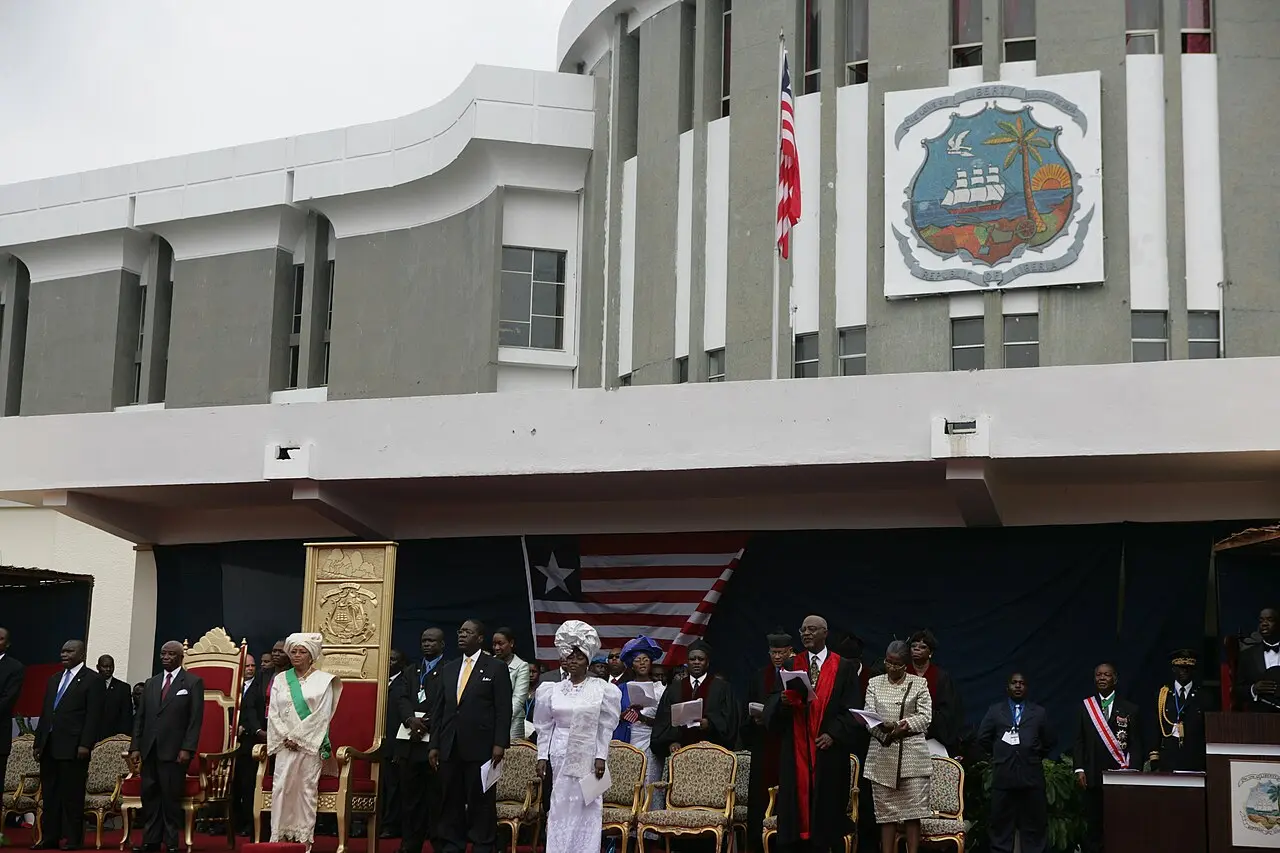
The woman taking the oath had been jailed, exiled, and threatened with death by the warlords who ruined her country. On January 16, 2006, in the battered capital of Monrovia, Ellen Johnson Sirleaf placed her hand on the Bible and became president of Liberia — and the first woman ever elected to lead an African nation.
The ceremony drew dignitaries from around the world, including U.S. Secretary of State Condoleezza Rice and First Lady Laura Bush, along with the presidents of Nigeria and South Africa. It was the culmination of one of the most remarkable political journeys of the modern era — and the close of one of the darkest chapters in West African history.
Sirleaf, then 67, was a Harvard-educated economist who had served as Liberia's finance minister in the early 1980s before falling out with the country's military rulers. She spent years in exile, working for Citibank, the World Bank and the United Nations development program, earning the nickname the "Iron Lady" of Liberian politics for her refusal to be intimidated. In 1997 she ran for president and lost to the warlord Charles Taylor; the years that followed brought a second devastating civil war. Taylor was eventually driven into exile in 2003, and a transitional government steered Liberia toward genuinely free elections.
In the 2005 runoff, Sirleaf faced the football superstar George Weah and won decisively, taking about 59 percent of the vote. Her mandate came with an almost unimaginable to-do list: fourteen years of intermittent civil war had shattered Liberia's roads, schools, hospitals and government. More than 100,000 former fighters had to be disarmed, and hundreds of thousands of displaced people needed to come home.
She went to work with a technocrat's discipline. Her government won cancellation of Liberia's crushing foreign debt, rebuilt hundreds of miles of road, and put the fight against corruption at the center of national life. In 2011, the Norwegian Nobel Committee awarded her the Nobel Peace Prize, shared with fellow Liberian activist Leymah Gbowee and Yemen's Tawakkul Karman, honoring "their non-violent struggle for the safety of women and for women's rights to full participation in peace-building work." Days later, Liberians elected her to a second term.
Sirleaf's inauguration mattered far beyond Liberia. It proved that a country could vote its way out of warlord rule — and that a woman could win the highest office on a continent where none ever had. For millions of African girls, the image of that January day — an elder stateswoman in traditional dress, hand raised, taking the oath of office — became a new answer to the question of what a president looks like.
Photo: Ellen Johnson Sirleaf's inauguration ceremony in Monrovia, January 16, 2006 — White House Photography Office, public domain (via the Digital Public Library of America and Wikimedia Commons).