
The Week a 19-Year-Old Rewired Friendship
On February 4, 2004, Harvard sophomore Mark Zuckerberg launched The Facebook from his dorm room — and more than a thousand students signed up within 24 hours.
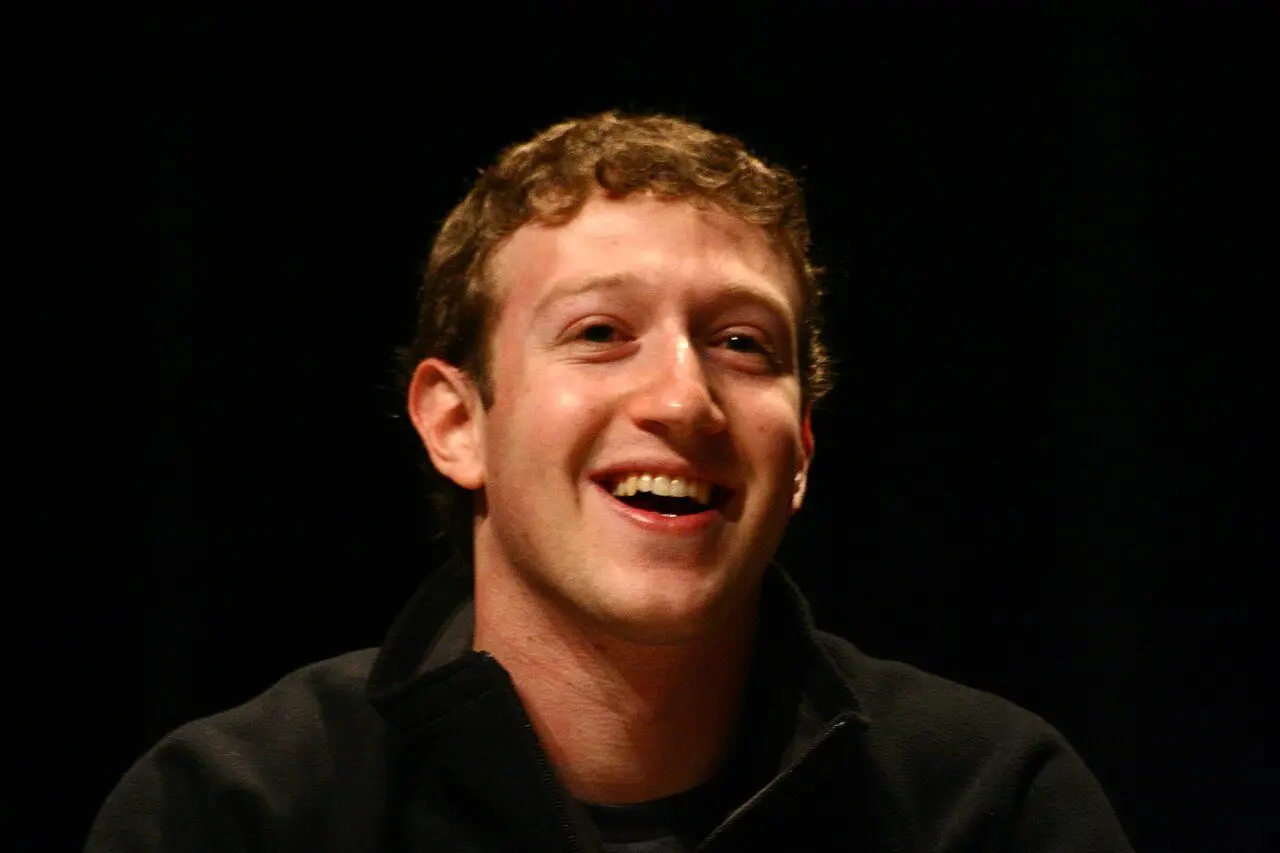
In the first week of February 2004, a 19-year-old Harvard sophomore sat in his dorm room and did what frustrated programmers do: he built the thing he wished existed.
Mark Zuckerberg was annoyed that Harvard had never created a universal online "face book" — the printed directories of student photos that prep schools and colleges handed out so students could get to know one another. "I can do it better than they can, and I can do it in a week," he told the Harvard Crimson. And he did. On February 4, 2004, he launched thefacebook.com — called, at first, simply "The Facebook."
It was Harvard-only, and it was basic: a profile, a photo, a friends list. But it scratched an itch. Within 24 hours, an estimated 1,200 to 1,500 students had signed up. Five days later, the Crimson reported that some 650 students had joined in the first four days — and the paper was already asking privacy questions. Zuckerberg assured them the site had "pretty intensive privacy options," letting users limit who could see their information. "People have very good control over who can see their information," he said.
He was not alone. Four others were there from the beginning: Eduardo Saverin, Dustin Moskovitz, Chris Hughes, and Andrew McCollum. And Zuckerberg was already a campus celebrity of sorts — the previous year he had built FaceMash, a site for voting on Harvard students' photos, which made him briefly famous and briefly in trouble with the administration.
The Facebook spread like a rumor. By March it had reached Columbia, Stanford, and Yale; by the end of 2004 it covered most American and Canadian colleges, with a million users. That summer, investor Peter Thiel put in $500,000, Zuckerberg left Harvard, and the company moved to California. In 2005 it paid $200,000 for the domain facebook.com and dropped the "The."
The rest is the kind of scale that is hard to picture: the News Feed, the Like button, a 2012 stock market debut, the purchases of Instagram, WhatsApp, and Oculus, and a 2021 rebranding to Meta. What began as a dorm-room directory became a network used by billions of people — and a permanent argument about privacy, attention, and what the word "friend" even means.
There is a neat symmetry in those first days. The Crimson's February 9, 2004, story noted two things: students loved it, and people were already worried about who could see what. Both of those things turned out to be true for the next two decades.
Why does it matter? Facebook did not invent online friendship, but it standardized it — the profile, the friend list, the feed became the grammar of the social internet. Whether you love it, left it, or never joined, you live in a world it shaped. And it started with a sophomore, a week, and a very Harvard problem: not knowing the people in your own dining hall.
Photo: Jason McELweenie, CC BY 2.0 (via Wikimedia Commons).