The Kyoto Protocol Takes Effect Worldwide
On February 16, 2005, the Kyoto Protocol became binding international law — the first treaty ever to set mandatory limits on greenhouse gas emissions.
It took seven years, one major defection, and a Russian signature to make it law. On February 16, 2005, the Kyoto Protocol — the world's first treaty imposing binding limits on greenhouse gas emissions — finally entered into force.
The story began in December 1997 in Kyoto, Japan, where delegates from around the world adopted the protocol after marathon negotiations. The deal required wealthy, industrialized nations to cut their emissions of gases like carbon dioxide and methane, which scientists had linked to global warming. The target was an average cut of just over five percent below 1990 levels during the commitment period of 2008 to 2012.
But the treaty had a catch: it could not take effect until at least 55 countries, accounting for at least 55 percent of 1990 emissions from industrialized nations, ratified it. That proved agonizingly slow. The United States, then the world's largest emitter, signed the protocol but withdrew from the process in 2001 under President George W. Bush. Australia refused to ratify. For years the treaty hung one major signature short.
That signature came from Russia, which ratified in late 2004. Ninety days later, on February 16, 2005, the protocol became binding international law for its 192 parties. For the first time, cutting emissions was not just a promise but a legal obligation.
The treaty applied to the major greenhouse gases — carbon dioxide, methane, nitrous oxide, and several industrial fluorinated gases — and gave countries flexible ways to meet their targets. Alongside domestic cuts, nations could trade emissions allowances with one another or earn credits by funding clean-energy projects in developing countries, mechanisms that laid the groundwork for today's global carbon markets.
The protocol was imperfect. Developing nations faced no binding targets, Canada withdrew in 2012, and global emissions kept rising. Yet it pioneered the machinery — carbon markets, national emissions inventories, and the principle that wealthy nations bore the greatest responsibility — that shaped everything after it, including the Paris Agreement of 2015. UN climate chief Christiana Figueres told UN News on the treaty's tenth anniversary that the Kyoto Protocol "was the first critical step" toward confronting climate change.
February 16, 2005 matters because it was the day the world first agreed, in binding form, that greenhouse gases had to come down. The targets were modest and the follow-through uneven, but the precedent was set: the climate crisis was a problem nations would tackle together, by law.
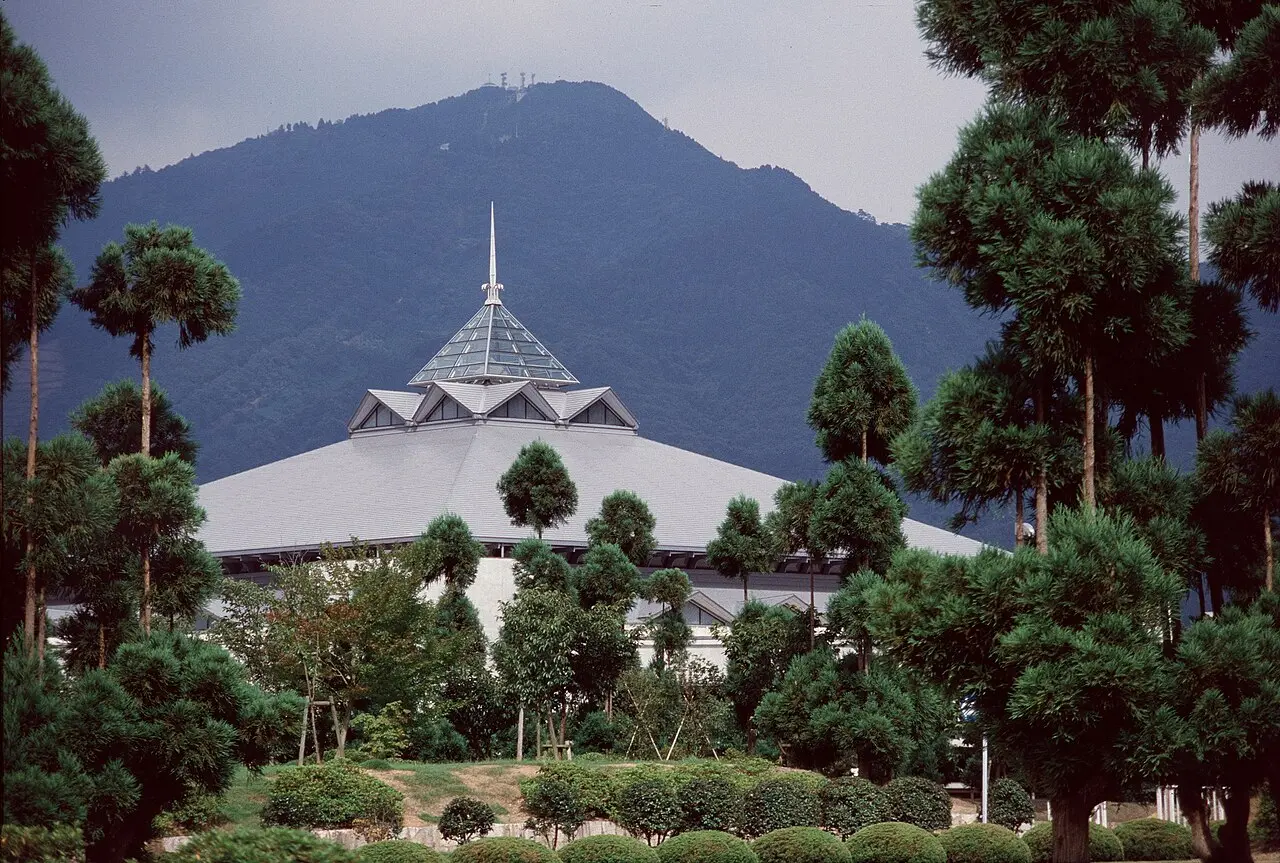
Photo: Marie-Sophie Mejan, CC BY 4.0 (via Wikimedia Commons) — the Kyoto International Conference Center, where the protocol was adopted in 1997.