The Prairie State's Birthday: Illinois Joins the Union
On December 3, 1818, President James Monroe signed the resolution admitting Illinois as the 21st state of the Union.
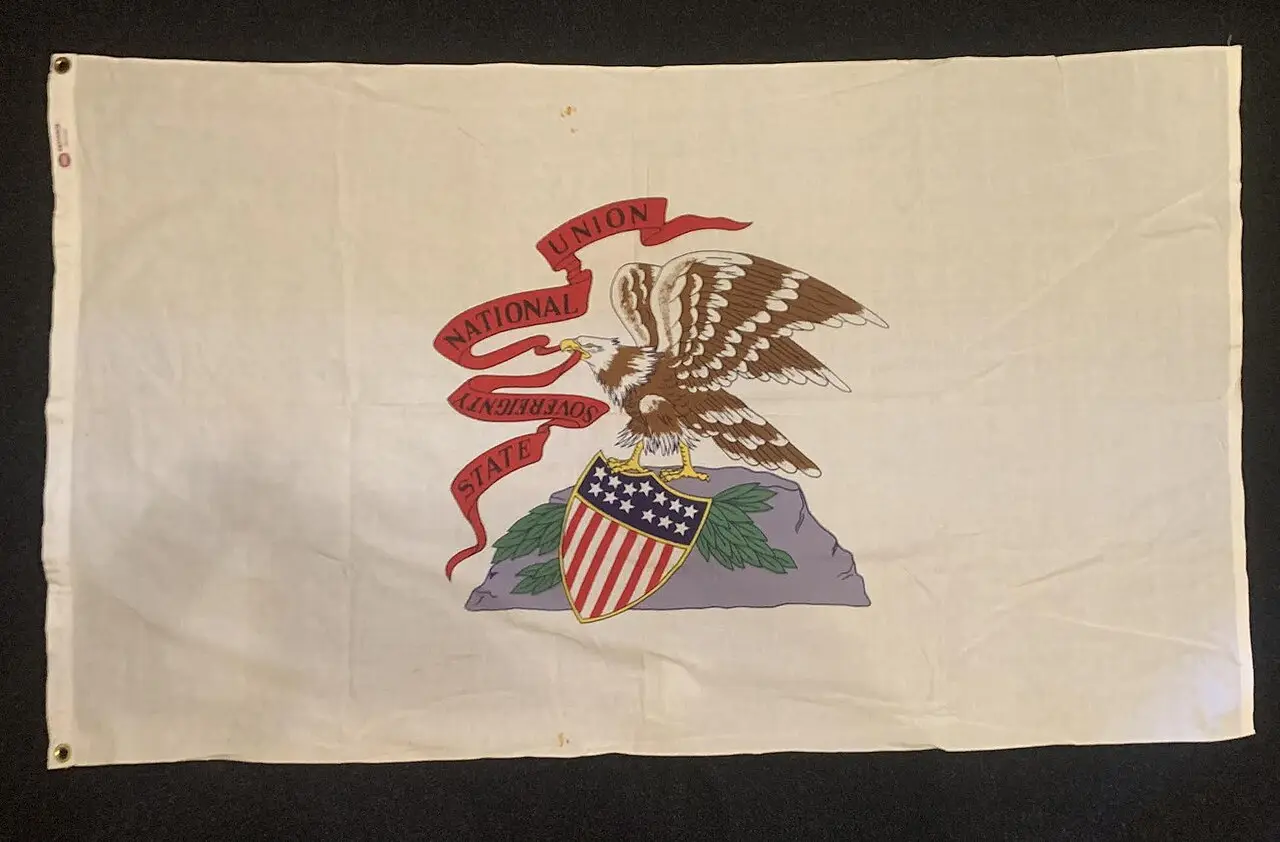
On December 3, 1818, the United States got a little bigger — and the Midwest got its anchor.
The land that would become Illinois had been American territory since the Revolution, carved into the Illinois Territory in 1809. By 1818 its people wanted in. That April, President James Monroe signed the enabling act letting the territory write a constitution; in August, delegates gathered in Kaskaskia — a French-founded river town on the Mississippi — and drafted one. Elections followed, and Maryland-born Shadrach Bond became the first governor, taking office that October, two months before statehood was official.
The enabling bill had been shepherded through Congress by the territory's delegate, Nathaniel Pope, and signed by Monroe that April. Congress moved fast. The House passed the admission resolution 117 to 34 on November 23; the Senate followed on December 1; and on December 3, Monroe signed it into law. Illinois was the 21st state.
It was a small place then: the 1818 census counted just 40,258 people. Kaskaskia itself had deep roots — it had been a seat of government since the days of Virginia's Illinois County during the Revolutionary War — and it became the first state capital. But the Mississippi had other plans — flooding forced the capital's move to Vandalia just two years later. The state's motto, stamped on its seal, read "State Sovereignty, National Union" — a fitting creed for a state born as the young republic was still deciding what it was.
At admission the new state already counted fifteen counties, and settlers were pouring in up the Illinois River and overland from the south. The state took its nicknames from what it was: the Prairie State for its grasslands, the Land of Lincoln for its most famous son — a slogan still stamped on its license plates. Its great city, Chicago, grew from a frontier outpost into the nation's third-largest city. It grew into the beating heart of the Midwest — Chicago, the railroads, the stockyards, the skyscrapers. Four American presidents called it home: Lincoln, Grant, Reagan, and Obama. It was the first state to ratify the 13th Amendment abolishing slavery.
Why it still matters: statehood days are easy to overlook, but they are the moments a map becomes a country. Illinois joined the Union as a frontier of forty thousand people; two centuries later, one in every twenty-six Americans lives there. Growth like that starts with a signature on a December day.
Photo: Tablelegs6, CC0 (via Wikimedia Commons).