The First Relief Reaches the Donner Party
On February 19, 1847, the first rescue party reached the starving Donner Party survivors trapped at Truckee Lake in the Sierra Nevada.
At sundown on February 19, 1847, seven exhausted men trudged out of the Sierra Nevada snowpack toward a cluster of half-buried cabins at Truckee Lake — and walked into one of the bleakest scenes in the history of the American West. According to family accounts handed down over the years, a young woman emerged from what looked like an unbroken field of snow and asked the newcomers a question that has echoed through history: "Are you men from California, or are you from heaven?" Tradition says the speaker was 13-year-old Virginia Reed.
The Donner Party — about 87 men, women, and children who had set out from Illinois in May 1846 bound for California — had been trapped since an early October storm sealed the mountain passes. Hoping to find a faster road west, they had followed the advice of Lansford Hastings' emigrant guidebook and taken the untested "Hastings Cutoff" from Fort Bridger. It was no shortcut. The detour cost them nearly three weeks, many of their oxen, and the last of the fair-weather season.
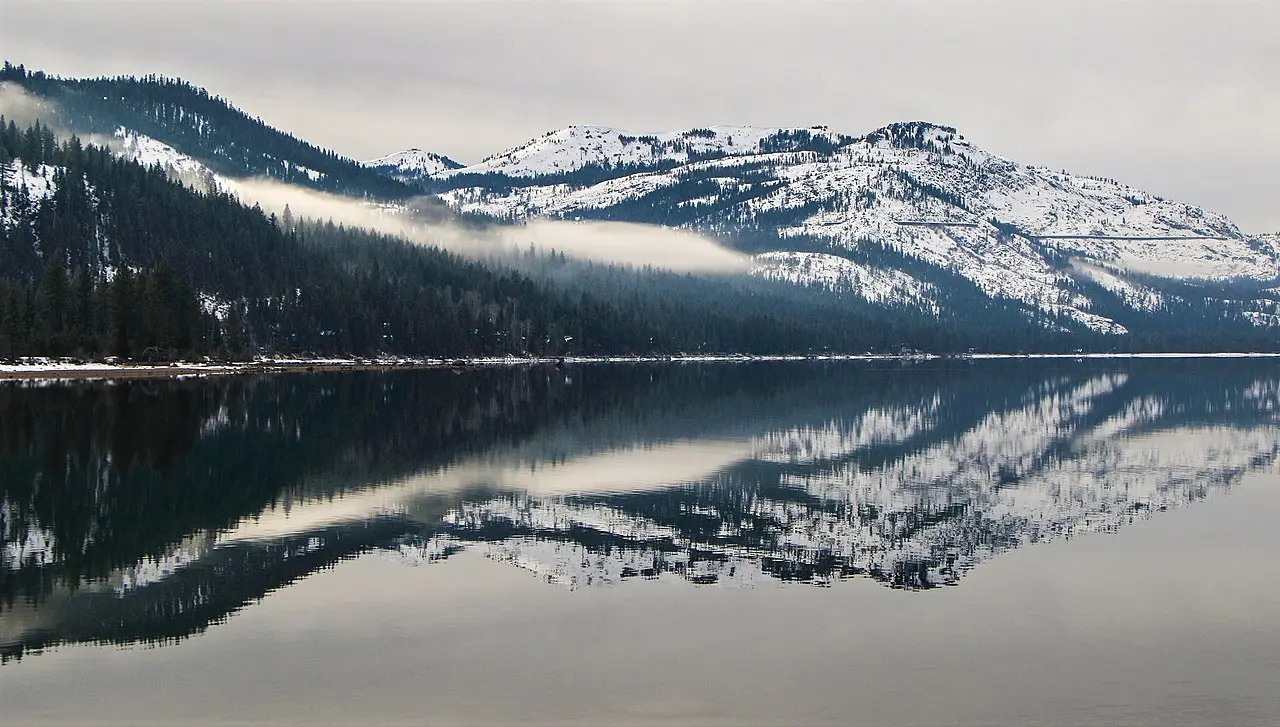
By late October they were camped at the lake that would take their name — today called Donner Lake. They built rough shelters from their wagons and slaughtered their oxen, then gnawed hides and boiled bones. In mid-December, 15 of the strongest — the group history calls the Forlorn Hope — set out west on snowshoes to fetch help. Only seven of them survived to reach the far side of the mountains, and their news set rescue parties in motion from Sutter's Fort. The first relief party set out on January 31, 1847, and took 20 days to cross the snow.
Reasin "Dan" Tucker, a member of that first relief, left a record of what they found. "At sundown we reached the Cabins and found the people in great distress such as I have never witnessed," he wrote, "there having been 12 deaths and more expected every hour." The sight of the rescuers, he added, "appeared to put life into their emaciated frames."
The rescuers carried little food and could take only about two dozen of the survivors with them when they started back across the pass on February 22. Three more relief parties followed over the next two months, and the last survivors did not reach safety until late April. Of the 87 people who had set out from the Midwest, 48 survived.
The ordeal became one of the most retold stories of westward migration — a story of a fateful wrong turn, of the desperation that drove some survivors to consume those who had already died, and of the stubborn endurance that kept the rest alive. It also changed how Americans thought about the overland trail: guidebooks, cutoff routes, and the season's deadlines were taken far more seriously ever after. Today the lake and the pass carry the Donner name, and the site of the camps is preserved at Donner Memorial State Park.
Photo: Matthew Rhodes, public domain (via Wikimedia Commons).