Five Babies at Once: The Dionne Quintuplets
On May 28, 1934, five identical girls were born on a Canadian farm — the first quintuplets known to survive infancy, and soon the most famous babies in the world.
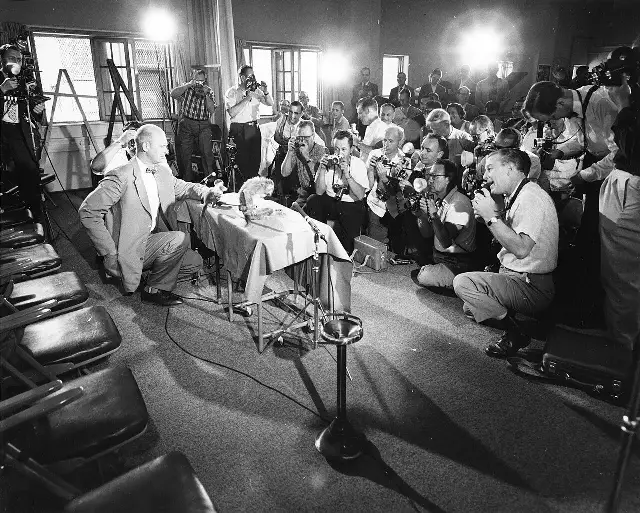
The tiniest delivery anyone had ever seen arrived at a farmhouse with no electricity.
In the early hours of May 28, 1934, on a small farm near the village of Corbeil outside Callander, Ontario, Elzire Dionne went into labor two months early. Her husband Oliva fetched Dr. Allan Roy Dafoe and two midwives, who expected twins at most. What they delivered instead made medical history: five identical girls — Yvonne, Annette, Cécile, Émilie, and Marie — each weighing between two and three pounds, for a combined total of just 13 pounds, 6 ounces. The Dionne quintuplets were the first set of five babies ever known to survive their infancy.
Nobody had thought it possible. Until that morning, no quintuplet birth had ever produced five living babies, let alone five who kept living. The Hospital for Sick Children in Toronto rushed breast milk, incubators, and advice to the farmhouse, and Dr. Dafoe — who became a celebrity himself — kept the fragile girls warm and fed around the clock. Later studies by the University of Toronto confirmed that all five had developed from a single fertilized egg.
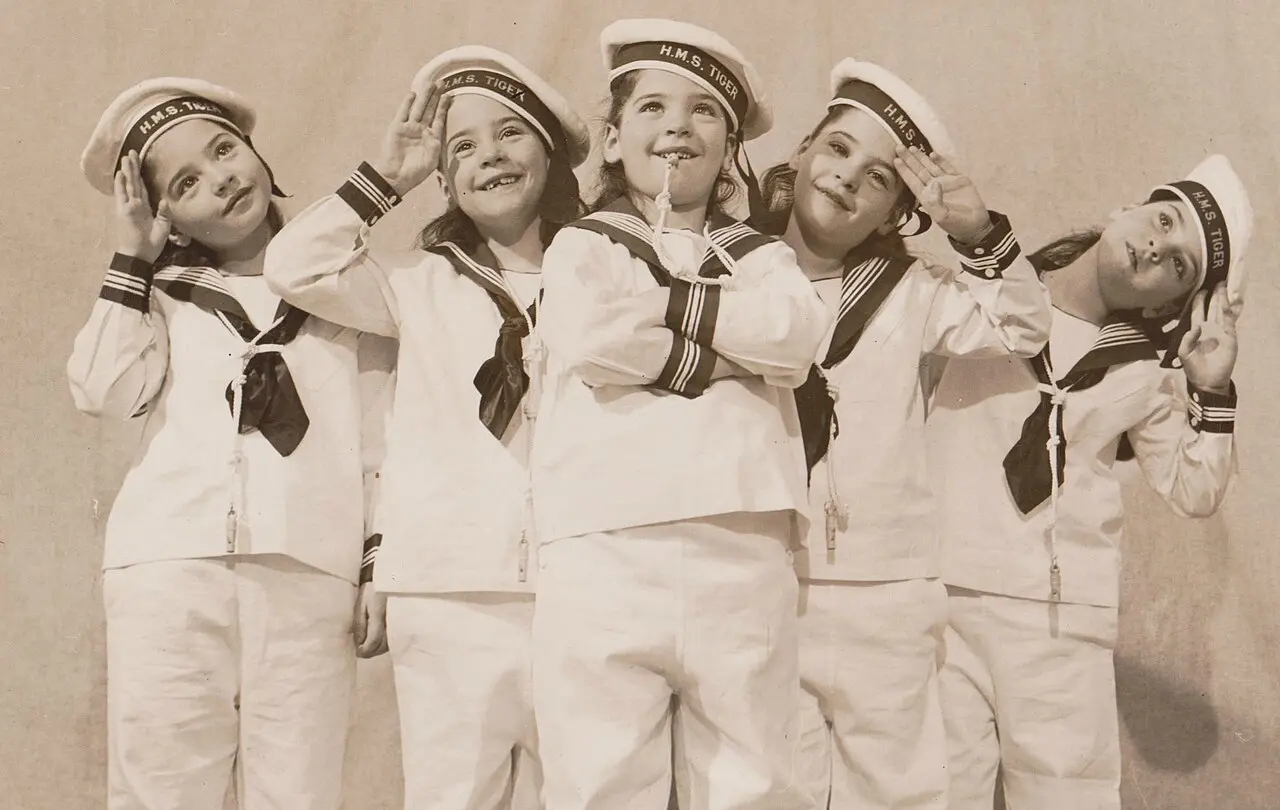
Then the world showed up. The mid-1930s were the depths of the Great Depression, and the miracle babies became an overnight sensation — and a gold rush. When private promoters tried to put the infants on display, Ontario stepped in: after four months with their family, the sisters became wards of the Crown under a special 1935 guardianship law, and a purpose-built nursery-hospital called "Quintland" rose across the road from the farmhouse.
Quintland was part hospital, part zoo. The girls lived under Dr. Dafoe's care and were put on public display — millions of tourists traveled to northern Ontario to watch them play behind a one-way observation screen. Their faces sold everything from cod-liver oil to typewriters; dolls modeled on them outsold Shirley Temple dolls; and they starred in three Hollywood films for Twentieth Century-Fox. The province and the businesses around the nursery profited enormously. The girls' own trust fund grew, but they controlled none of it.
The spell broke in stages. Their father regained custody in 1941. As adults, the sisters spoke about a childhood of discipline and isolation — and in 1998 the surviving sisters successfully sued the Ontario government over their long separation from their parents, winning a settlement and an acknowledgment of what had been done to them. All five survived to adulthood, a medical first that still stands.
Why it matters: the Dionne quintuplets were a genuine medical triumph — their survival advanced the science of caring for premature babies. But their story is also one of history's starkest warnings about child fame: five little girls became a wonder of the world, and the world forgot they were children.
Photo: Unknown author, public domain (via Wikimedia Commons).