The Thirty-Minute Raid That Lasted All Night
On October 3, 1993, a quick raid in Mogadishu, Somalia, turned into a 15-hour battle when two U.S. Black Hawk helicopters were shot down, costing 18 American lives.
It was supposed to take thirty minutes. On the afternoon of October 3, 1993, sixteen helicopters lifted off over Mogadishu, Somalia, carrying some of the most elite soldiers in the U.S. military — Army Rangers, Delta Force operators, Navy SEALs — on a daylight raid to seize two lieutenants of the warlord Mohamed Farrah Aidid near the city's Olympic Hotel. The plan was a snatch-and-grab the men had rehearsed many times before.
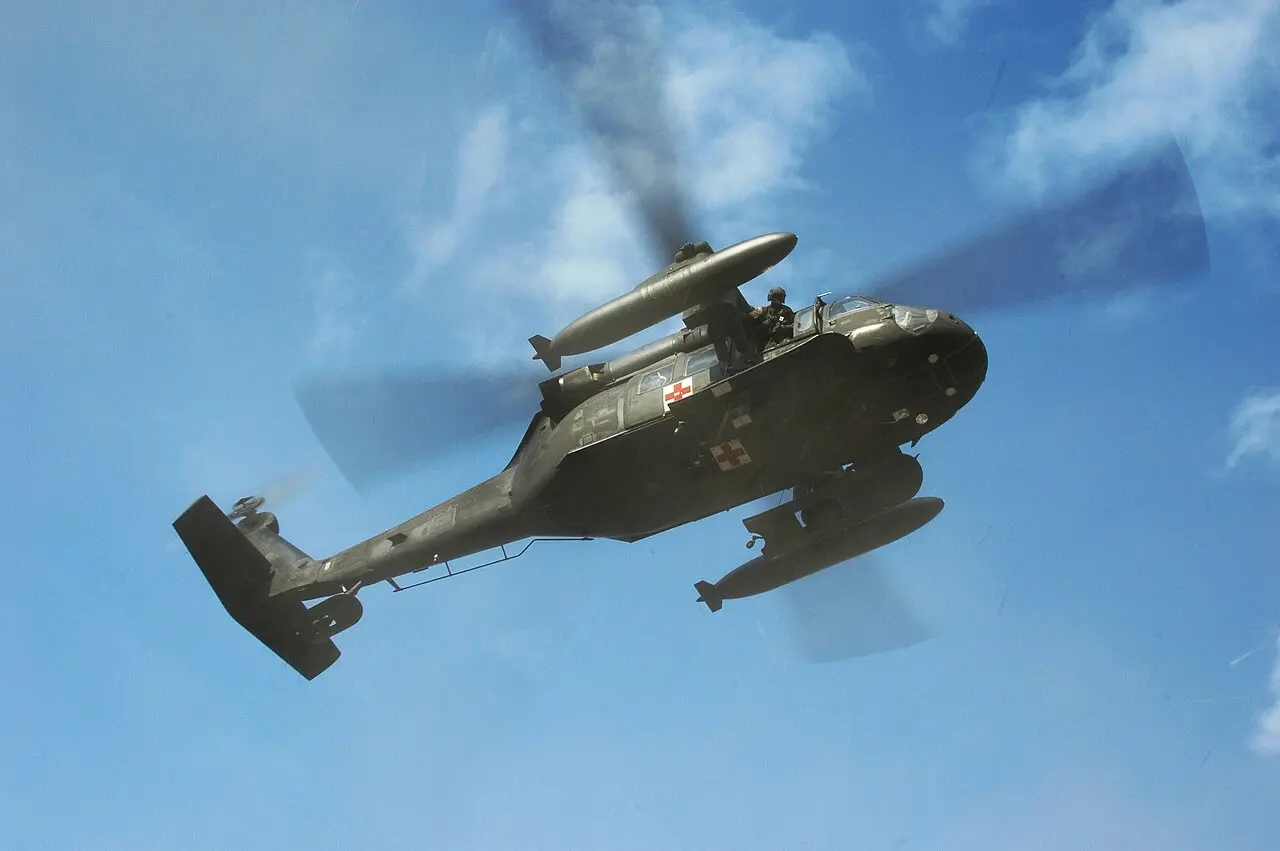
The trouble started within minutes of the assault. As Rangers fast-roped from their Black Hawk helicopters to set up a perimeter, a rocket-propelled grenade struck one of the MH-60s — Super Six One, piloted by Cliff Wolcott — and it crashed into the city. Then a second RPG brought down another Black Hawk, Super Six Four, piloted by Michael Durant, two miles away. Suddenly a simple raid had two crash sites, split forces, and thousands of armed militiamen and civilians converging on both.
What followed was fifteen hours of the most intense urban combat Americans had seen since Vietnam. At the second crash site, two Delta snipers, Master Sergeant Gary Gordon and Sergeant First Class Randall Shughart, volunteered to go down and defend the wounded crew. Both were killed; both would receive the Medal of Honor. Durant, his back and leg broken in the crash, was taken prisoner — he would be released eleven days later after negotiations.
Through the night, the trapped Americans held their positions around the wrecks while a relief column fought its way toward them through Mogadishu's streets. The rescue force that finally broke through was itself a symbol of the mission: Malaysian armored vehicles and Pakistani tanks, with U.S. 10th Mountain Division soldiers aboard, assembled from the UN contingents in the city. By the morning of October 4, the last Americans were out. Eighteen were dead and more than seventy wounded. Hundreds of Somalis — fighters and civilians caught in the crossfire — were killed as well, though estimates vary widely.
The battle grew out of a mission that had lost its way. U.S. troops had come to Somalia in 1992 to get food to famine victims in a country torn by civil war and warlord rule. But the mission crept from feeding the hungry to hunting Aidid, whose forces had been attacking UN personnel. After the images of dead Americans dragged through Mogadishu's streets reached television screens at home, President Bill Clinton ordered U.S. forces withdrawn by March 31, 1994.
It matters because October 3, 1993, reshaped how America thought about intervention abroad — a caution that echoed for decades whenever presidents weighed sending troops into someone else's chaos. Journalist Mark Bowden's minute-by-minute account, Black Hawk Down, and the film it inspired, made sure the night in Mogadishu would not be forgotten: a story about what happens when a thirty-minute plan meets a city that has other ideas.
Photo: U.S. Navy photo by Chief Mass Communications Specialist Greg Bingaman, public domain (via Wikimedia Commons).