
RFC 1: The Memo That Became the Internet
On April 7, 1969, UCLA graduate student Steve Crocker published the first "Request for Comments," the humble memo series that would define how the internet is built.
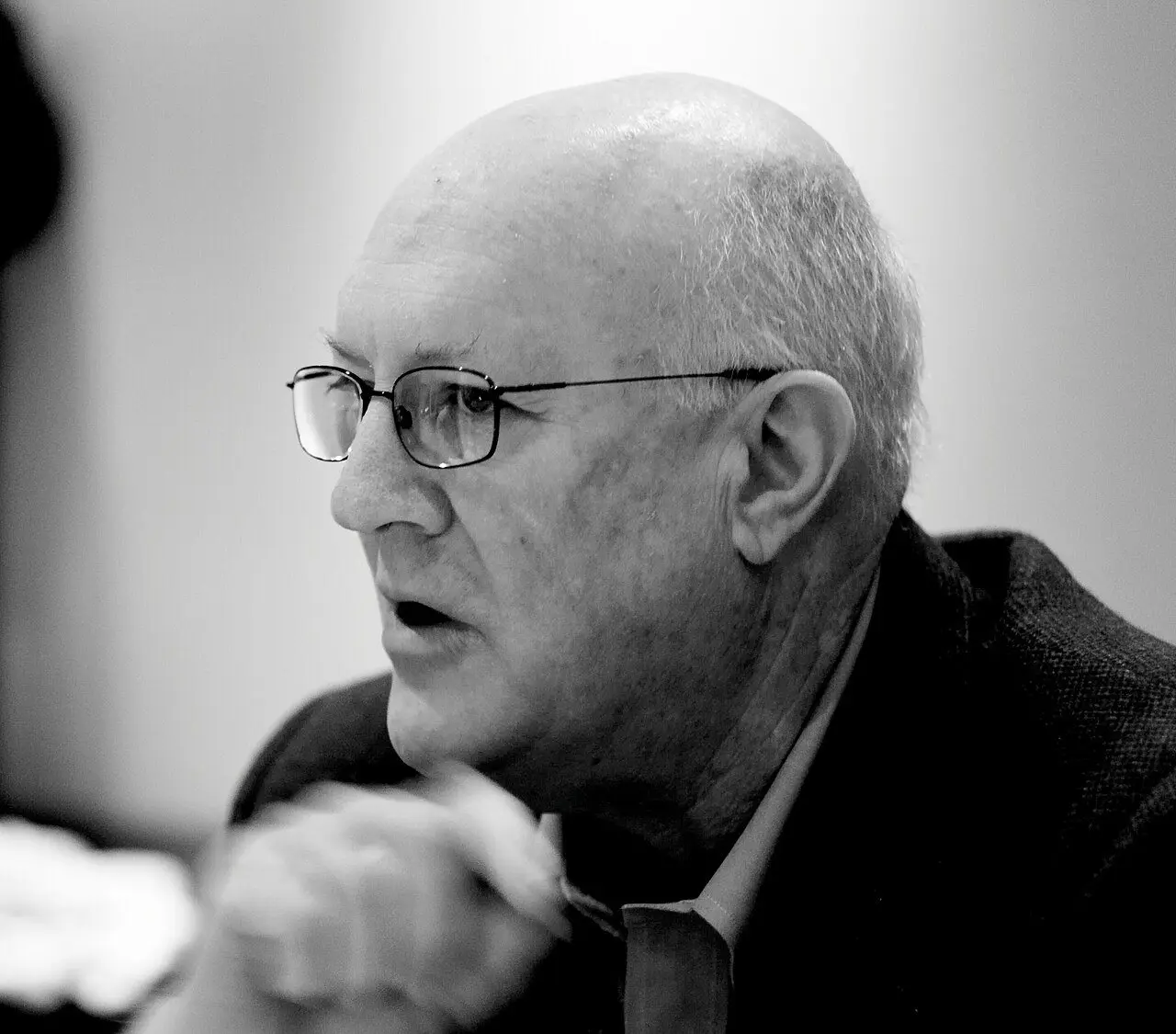
Before there was an internet, there was a memo. On April 7, 1969, UCLA graduate student Steve Crocker published a short document titled "Host Software" — and quietly gave the future internet its founding institution.
The context was almost comically humble. The ARPANET — the U.S. Defense Department project that would become the internet — did not yet work. No computers were connected; the first would not link up until later that year. A loose group of graduate students at UCLA and the three other sites slated to receive the network's first nodes had been meeting to figure out how their machines would talk to one another. They called themselves the Network Working Group.
Crocker had agreed to write up the group's notes. But he faced a problem of standing: he was a junior student with no authority to tell anyone what to do. His solution was a title that lowered the stakes — "Request for Comments." The idea was that these were not orders but the start of a conversation. As he later recalled, he never dreamed these notes would one day be distributed through the very medium they were describing.
The tone caught on immediately. Within weeks, RFC 3 laid out the ground rules: anyone could contribute, nothing had to be official, and notes were encouraged to be "timely rather than polished." Questions with no answers were welcome. Half-finished thoughts were welcome. What mattered was getting ideas down and letting others react.
The early RFCs were typewritten and circulated as paper copies. Not until December 1969, with the ARPANET newly operational, did they begin traveling over the network itself. Crocker kept editing and numbering the series until early 1970, when he took a job with the Defense Department's research agency and handed the editorship to fellow UCLA graduate student Jon Postel.
What began as a graduate student's humility hack became the official publication channel of the Internet Engineering Task Force. The protocols that carry nearly all of the world's digital commerce — the rules for email, the web, and secure connections — were proposed, debated, and finalized as RFCs. There are now thousands of them, and the series still runs on Crocker's original principle: open, informal, and open to anyone with a good idea.
Why it matters: the internet was not built by decree. It was built by memo — by a culture that valued rough, early drafts over polished authority. Every time you load a web page, you are using infrastructure designed in public, one "request for comments" at a time.
Photo: Joi, CC BY 2.0 (via Wikimedia Commons).